Work is not only about tasks, targets, and meetings. Sometimes, small acts of kindness at work stay in our hearts for years. These moments are not written in job descriptions, but they shape how people feel about their workplace and their lives.
Research shows that compassion in the workplace changes how employees see their teams and themselves. When people feel cared for, they carry that feeling home, even after a hard day. The article titled “114 Work Moments, From a $900 Furnace Fund to One Message After a Rough Zoom Call, That People Still Carry Home” collects real stories of such moments.
These stories show how empathy, fairness, and human connection at work can heal, support, and inspire. They remind us that the best memories from a job are often about people, not promotions.
What Are “Work Moments” That People Carry Home?
Work moments are small but powerful incidents that happen during our professional life. They may be a kind word, a helping hand, or a stand for justice. These moments are not about money or titles. They are about human decency and emotional support.
Such moments often occur when someone is struggling—due to health, money, grief, or stress. A coworker or manager notices and acts with care. That action becomes a memory the person never forgets. These stories prove that workplace kindness can change lives.
Overview of the “114 Work Moments” Collection
The article gathers real-life experiences shared by workers. Though the title says “114,” the core piece highlights 14 powerful stories. Each story shows a different form of support. Below is a clear overview:
| Type of Support | Example from the Stories |
| Financial help | A coworker gave $900 cash to help fix a furnace. |
| Emotional support | A director messaged, “I have panic attacks too,” after seeing someone struggle on a Zoom call. |
| Fair pay correction | A finance head fixed 3 years of unequal pay in one week. |
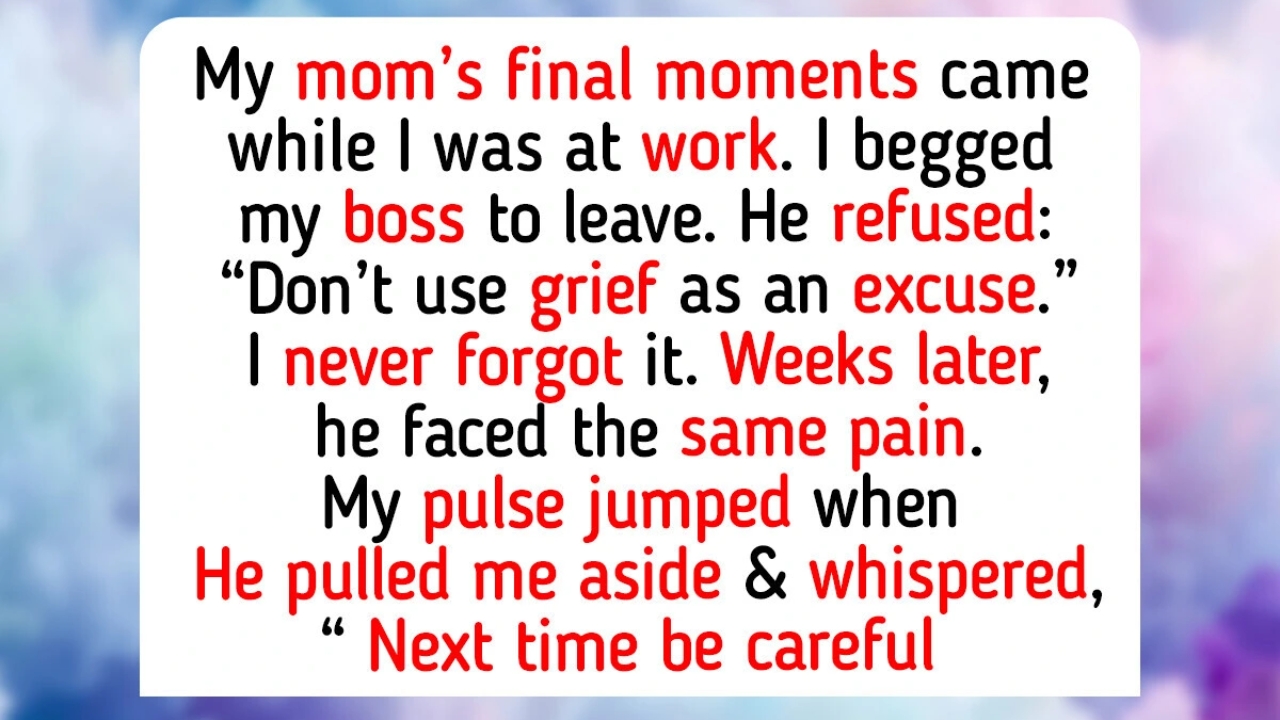
| Grief compassion | A boss apologized after dismissing an employee’s grief, once he faced loss himself. |
| Health understanding | A manager said, “Rest. I’ll redistribute your meetings,” without asking for proof. |
| Truth and accountability | A colleague admitted her error publicly to protect an innocent coworker. |
| Reference support | A stranger became a strong reference after meeting once at an event. |
| Promotion fairness | A senior VP audited promotions and corrected gender bias. |
| Quiet food sharing | A teammate brought extra lunch daily, knowing someone was struggling financially. |
| Respectful farewell | A junior employee organized a heartfelt goodbye for someone laid off after 11 years. |
| Pregnancy support | An older coworker gave $100 cash to a pregnant colleague, saying, “You need cash, not stuff.” |
| Family care priority | A coworker closed her laptop and said, “His wife is in the hospital. We can survive five minutes without him.” |
| Lunch companionship | An introverted employee ate lunch with a lonely coworker, leading to ongoing meal sharing. |
| Apology and growth | A manager who once said “grief is a choice” later apologized after losing his own wife. |
These examples show that workplace compassion comes in many forms—money, time, truth, voice, and presence.
Why These Moments Matter More Than Bonuses
Most of these acts came with no bonus, no promotion, and no public praise. Yet, they left deep emotional marks. People remember them because they felt seen, valued, and protected.
In tough times—like illness, debt, or loss—such support feels like a lifeline. It tells the person: “You are not alone.” This builds trust and loyalty far more than salary hikes ever could.
Common Themes in These Work Moments
Several patterns appear across these stories:
- Silent observation: Many helpers noticed struggles without being told (e.g., seeing someone skip lunch).
- No questions asked: Help was given without demanding explanations or proof.
- Personal risk: Some put their reputation on the line (e.g., giving a reference to a near-stranger).
- Correcting injustice: Leaders fixed systemic issues like pay gaps or biased promotions.
- Shared vulnerability: Senior staff admitted their own struggles (e.g., panic attacks) to reduce shame.
These actions reflect emotional intelligence and moral courage—qualities every workplace needs.
How Organizations Can Encourage Such Moments
While these acts are personal, companies can create a culture where they thrive:
- Train managers in empathetic leadership.
- Allow flexible leave for health and family without stigma.
- Conduct regular pay equity audits.
- Encourage peer support and mental health openness.
- Recognize quiet kindness, not just high performance.
When kindness becomes part of the culture, more people feel safe to give and receive help.
Final Thought: Carry Kindness Home
The title “114 Work Moments…” may be a typo or expansion of the original “14 Work Moments.” But the message is clear: small acts of care at work become lifelong memories. Whether it’s $900 for a furnace or one message after a rough Zoom call, these moments remind us that work can be human.
In the end, people don’t remember the deadlines they met. They remember who stood by them when they were breaking. And that is the kind of workplace legacy worth building.